How Can We Make Dental Visits Easier for Anxious Patients?

For many, the mere thought of a dental appointment can trigger a wave of anxiety. The sterile environment, unfamiliar sounds, and anticipation of discomfort can make even routine check-ups daunting. However, with the right strategies and understanding, dental visits can become a more comfortable experience for anxious patients.
What Are the Common Causes of Dental Anxiety?
Understanding the root causes of dental anxiety is the first step in addressing it effectively. Common triggers include:
- Fear of pain: Past experiences or stories from others can instil a fear of potential pain during procedures.
- Negative past experiences: A previous traumatic dental visit can leave lasting impressions.
- Feelings of helplessness: Lying back in a chair with limited control can be unsettling.
- Embarrassment: Concerns about oral hygiene or the condition of one’s teeth can cause shame.
- Fear of needles or instruments: The sight or sound of dental tools can be intimidating.
How Can Dentists Support Anxious Patients?
Dentists play a pivotal role in alleviating patient anxiety. Techniques include:
- Tell-show-do: Explaining procedures, demonstrating them, and then performing can build trust.
- Pre-visit consultations: Discussing concerns beforehand can set expectations.
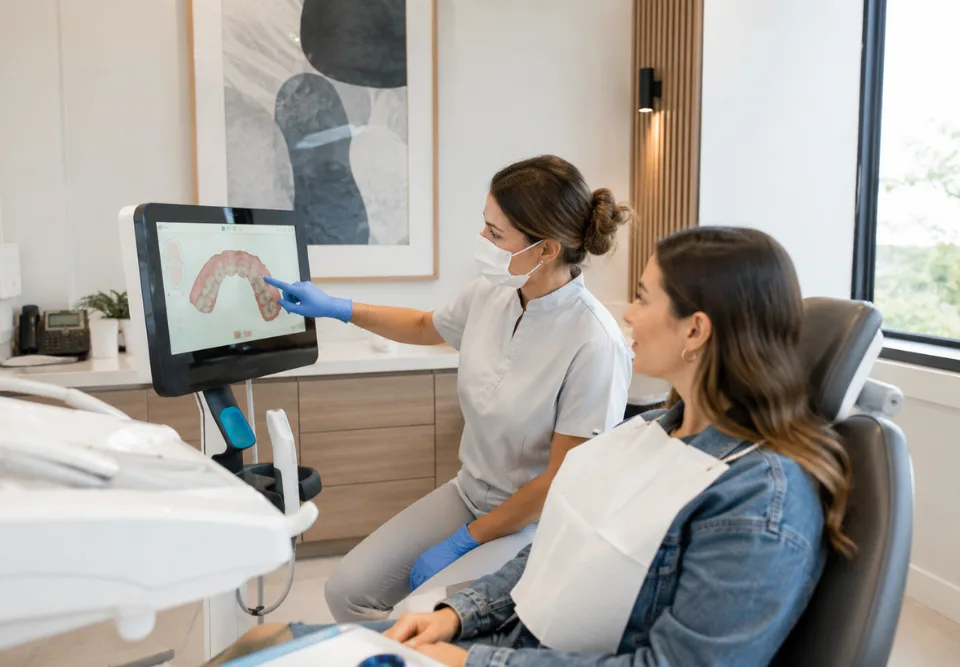
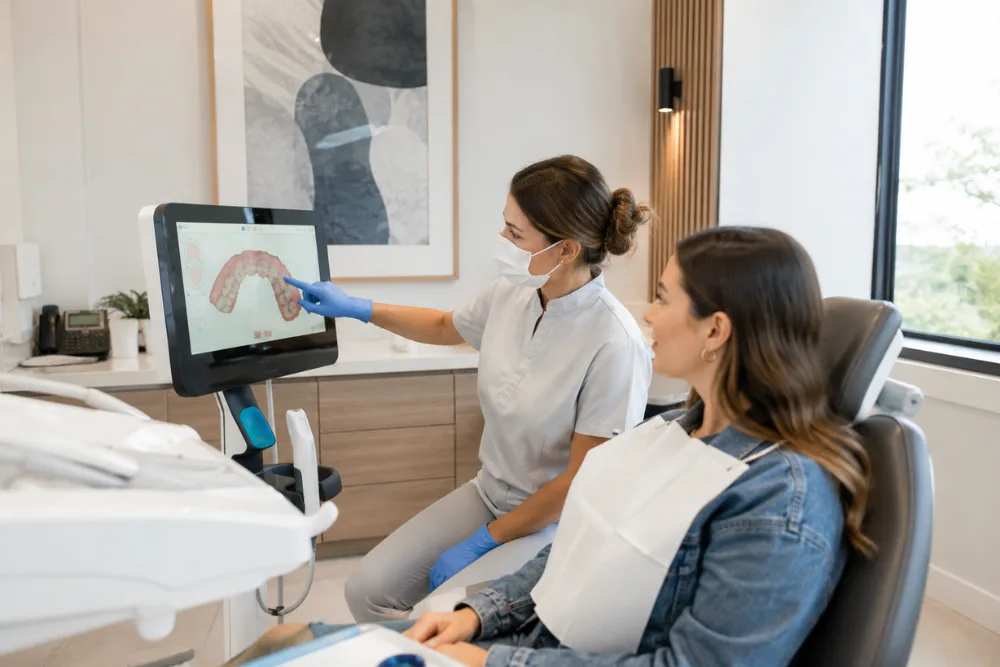
- Distraction tools: Providing music or visual aids can divert attention.
- Gentle communication: A calm and reassuring tone can ease nerves.
- Relaxation guidance: Teaching breathing techniques can help patients stay calm.
What Sedation Options Are Available?
For patients with heightened anxiety, sedation can be a valuable tool. Options include:
- Nitrous oxide (happy gas): Inhaled to induce relaxation while remaining conscious.
- Oral sedatives: Pills taken before the appointment to reduce anxiety.
- IV sedation: Administered intravenously for deeper relaxation.
- General anaesthesia: Used in extreme cases, rendering the patient unconscious.
Note: Sedation methods should always be administered by qualified professionals adhering to Australian guidelines.
How Can Patients Prepare for a Dental Visit?
Preparation can significantly reduce anxiety. Tips for patients include:
- Schedule morning appointments: Facing the appointment earlier can prevent prolonged anticipation.
- Bring a support person: Having someone familiar can provide comfort.
- Use noise-cancelling headphones: Blocking out sounds can reduce sensory overload.
- Practice mindfulness: Techniques like deep breathing can calm the mind.
- Communicate fears: Informing the dentist about specific anxieties allows for tailored care.
How Can Dental Clinics Create an Anxiety-Friendly Environment?
The clinic’s atmosphere can influence patient comfort. Strategies include:
- Soothing waiting areas: Soft lighting and calming music can set a relaxed tone.
- Aromatherapy: Pleasant scents can mask clinical smells.
- Staff training: Ensuring all team members are equipped to handle anxious patients with empathy.
- Flexible scheduling: Allowing extra time for appointments can prevent feelings of being rushed.
- Consistent care providers: Familiar faces can build trust over time.
What Are the Attributes of Anxious Dental Patients?
Recognising the characteristics of anxious patients can aid in providing appropriate care:
| Attribute | Description |
| Sensitive to pain | May have a lower pain threshold or heightened fear of pain. |
| Fearful of instruments | Anxiety triggered by the sight or sound of dental tools. |
| Past traumatic experiences | Previous negative dental visits influencing current fears. |
| Embarrassment | Concerns about oral health leading to avoidance. |
| Prone to panic attacks | May experience intense fear or physical symptoms. |
| Avoidant behaviour | Tendency to delay or skip appointments due to anxiety. |
What Are the Sedation Options and Their Benefits?
Understanding sedation choices helps in selecting the appropriate method:
| Sedation Type | Administration Method | Consciousness Level | Ideal For | Notes |
| Nitrous Oxide | Inhalation | Conscious | Mild to moderate anxiety | Quick recovery time |
| Oral Sedatives | Oral ingestion | Conscious | Moderate anxiety | Requires time to take effect |
| IV Sedation | Intravenous injection | Semi-conscious | Severe anxiety or lengthy procedures | Needs monitoring during procedure |
| General Anaesthesia | Intravenous or inhalation | Unconscious | Extreme anxiety or complex surgeries | Administered in hospital settings |
How Can Patients Ease Anxiety Before and During Visits?
Practical steps can make dental visits more manageable:
| Stage | Tips |
| Before the Visit | – Inform the clinic about your anxiety |
| – Avoid caffeine | |
| – Practice relaxation techniques | |
| During the Visit | – Use agreed-upon hand signals to communicate discomfort |
| – Focus on breathing exercises | |
| – Request breaks if needed |
Why Choose Newcastle Dental for Anxiety-Friendly Care?
At Newcastle Dental, we prioritise patient comfort and understand the challenges faced by those with dental anxiety. Our team is trained to provide compassionate care tailored to individual needs. We offer:
- Personalised consultations: Discuss your concerns in a judgment-free environment.
- Advanced sedation options: Including nitrous oxide and oral sedatives, administered safely.
- Comfortable environment: Our clinic is designed to be welcoming and soothing.
- Flexible scheduling: We accommodate appointments that suit your comfort levels.
Your oral health is essential, and we are committed to making your dental experience as stress-free as possible.
Frequently Asked Questions (FAQs)
1. Is dental anxiety common?
Yes, it’s estimated that about one in six Australian adults experience high dental fear.
2. Can sedation be used for all dental procedures?
Sedation is available for various procedures, but suitability depends on individual health and the specific treatment.
3. Will I be unconscious during sedation?
Not necessarily. Options like nitrous oxide and oral sedatives keep you conscious but relaxed. General anaesthesia induces unconsciousness and is used in specific cases.
4. How can I communicate my fears to the dentist?
It’s best to discuss your concerns openly during the consultation. Dentists are trained to handle such conversations professionally.
5. Are there any risks associated with sedation?
While generally safe, sedation carries some risks. It’s crucial to discuss your medical history with your dentist to ensure safety.
6. Can I bring someone with me to the appointment?
Absolutely. Having a trusted person accompany you can provide additional comfort.